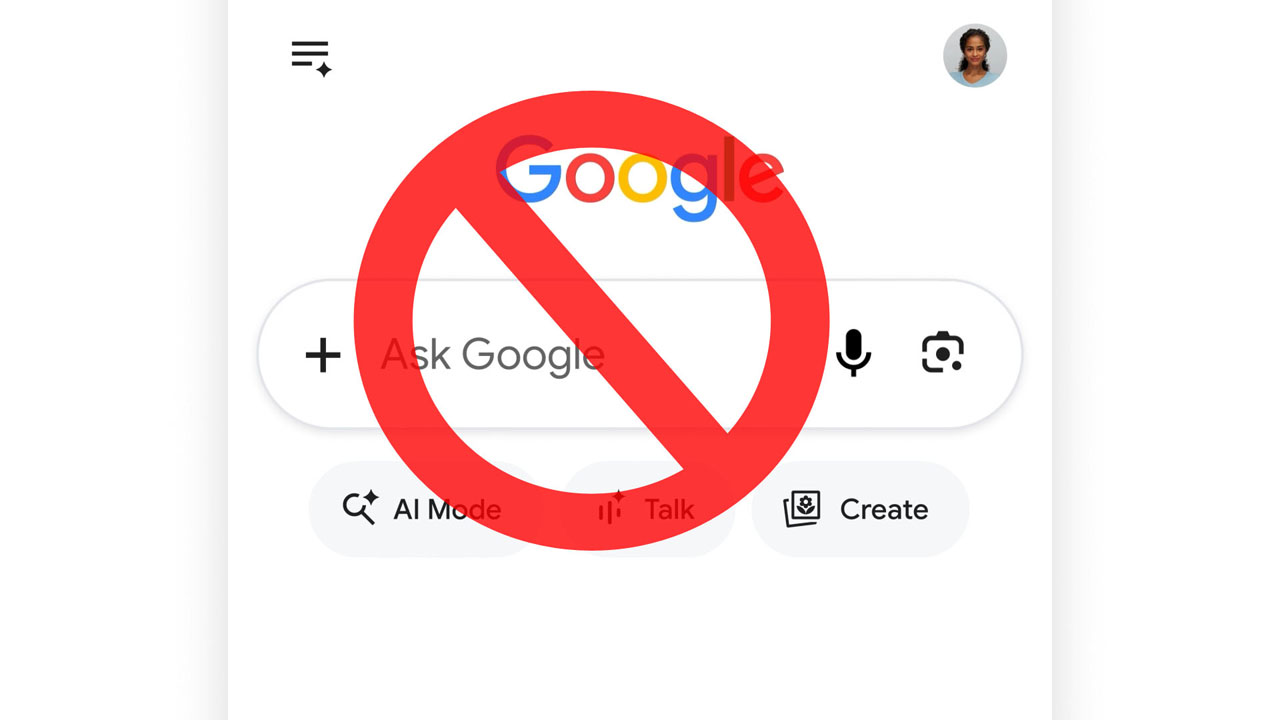
Google’s shift toward AI – generated answers is not just a technological change for users. For the commercial sector, it marks a new stage of online competition. In the past, businesses mainly competed for positions in Google search results. Now, another question is becoming just as important: how do AI systems describe a company, its services, reputation, and advantages?
AI Overviews, AI Mode, and other forms of generative search are gradually changing customer behavior. A potential client may not visit a company’s website if they have already received a short answer directly in the search interface. For businesses, this may mean a decline in organic traffic. At the same time, it creates new opportunities for companies that manage their brand, website structure, and external mentions properly.
A Business Website Is No Longer Just an Online Brochure
A few years ago, many companies treated their website as a basic online presentation: contact details, service descriptions, several photos, and a request form. In the new AI – driven economy, that is no longer enough.
A website should become a source of clear, verified, and structured information about the business. Search engines and AI models now pay attention not only to keywords, but also to specific details: who provides the service, which cities or regions the company covers, what case studies are available, whether there are guarantees, certificates, reviews, prices, or at least a clear pricing logic.
This is especially important for commercial companies. If a business does not explain what makes it different, AI systems may build their answer using third – party websites, aggregators, or incomplete information.
What Changes for Small and Medium – Sized Businesses
Small and medium – sized businesses depend heavily on organic visibility. Local services, online stores, clinics, construction companies, logistics providers, legal firms, and financial services often receive a significant share of their inquiries through search.
If users see an AI – generated answer without clicking through to a website, some potential contacts may be lost. But this does not mean SEO is over. On the contrary, optimization is becoming more complex and more strategic.
Companies now need to work not only on rankings, but also on their overall digital reputation. This includes publishing expert content, updating service pages, appearing in business directories, earning mentions in industry media, staying active on social platforms, and collecting real customer reviews.
In this model, every high – quality mention of a business becomes part of a broader information ecosystem.
Why Brand Mentions Are Becoming the New Currency
For many years, links played a central role in traditional SEO. They still matter, but in the context of AI search, broader trust signals are gaining importance: brand mentions, expert quotes, directory listings, reviews, rankings, and appearances in industry – specific materials.
For businesses, this means it is important to be visible beyond their own website. If a company appears in reputable sources, professional selections, and business directories, AI systems can more easily identify it as a real, active, and relevant business.
That is why high – quality business directories are becoming valuable again. They help not only users, but also algorithms better understand the market.
Risks for the Commercial Sector
The biggest risk for businesses is losing control over how they are described online. If company information is outdated, inconsistent, or scattered across different platforms, AI systems may create an incomplete or inaccurate picture.
This is especially critical for companies working in competitive niches. A potential customer may ask an AI system: “Which delivery company should I choose?”, “Where can I find a dental clinic in Lviv?”, “Which construction company is reliable?”, or “What service is suitable for my business?” If a company does not have a strong digital presence, it may simply not appear in the answer — or may be presented less convincingly than its competitors.
What Businesses Should Do Now
The first step is to audit the company’s online presence. Businesses should check how their website looks, whether contact details are up to date, whether services are described clearly, whether there are dedicated pages for key areas, and whether visitors can quickly find proof of the company’s experience.
The second step is to strengthen content. Businesses need more than promotional copy. They need useful materials: case studies, answers to frequently asked questions, service comparisons, market analysis, and practical advice for customers.
The third step is to work on external visibility. Listings in business directories, media publications, participation in industry reviews, and press releases help build a digital footprint that is visible not only to people, but also to search engines and AI systems.
Conclusion
AI search does not make business websites, SEO, or business directories obsolete. On the contrary, it makes them even more important — but it changes the approach. Companies now need to think not only about traffic, but also about how they are represented across the wider information landscape.
For Ukrainian businesses, this is also an opportunity. Many niches have not yet adapted to the new reality, which means that companies investing now in a structured website, quality content, brand mentions, and visibility in business directories can gain an advantage.
In the new digital economy, the winner will not be the business that simply “exists online,” but the one that the internet — and AI — can describe accurately, clearly, and convincingly.
Related Posts:




About the author
Finanz4u Team is a group of dedicated to the financial topics experts, writers, editors and guest writers.